A Grandmother’s Reel Adventure
In 2023 Teatown Nature Preserve published my article on the volunteer work I did with the Hudson River Eel Project back in 2019.
You can read the article by clicking on the link below:

Welcome to My Adventures
I’m Called a Queen Conch
by Regina Montana
Skipping Stones Magazine – July/August Issue 2026
A Grandmother’s Reel Adventure
In 2023 Teatown Nature Preserve published my article on the volunteer work I did with the Hudson River Eel Project back in 2019.
You can read the article by clicking on the link below:
By Regina Montana
Interview with an Earthworm
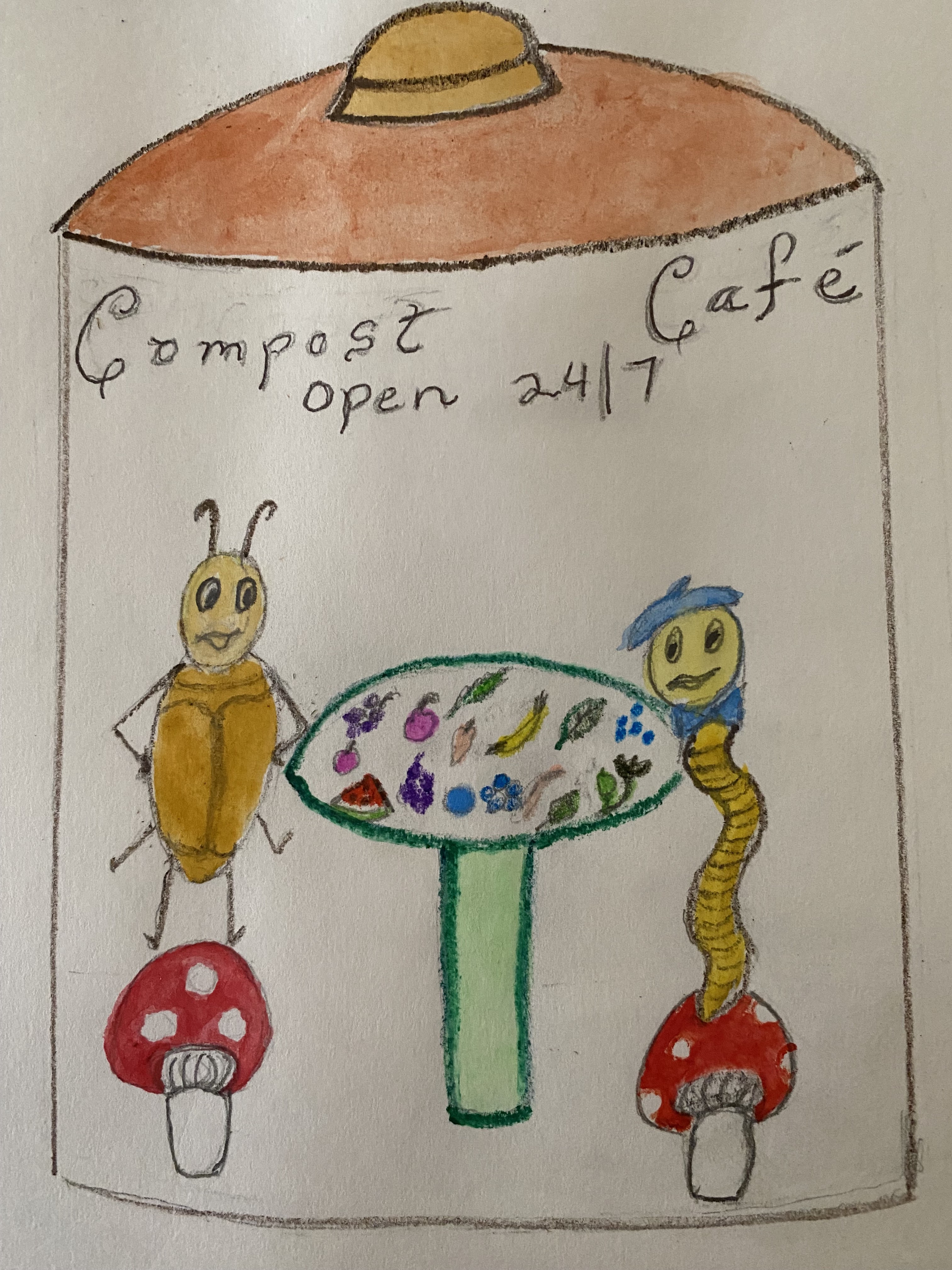
The Compost Café
Beetle Bob: Good Morning, Wolfgang. Nice to meet you. Aren’t you a famous composer?
Earthworm Wolfgang: Hello. No, I am a decomposer, like yourself. Say, weren’t you a member of that famous rock band in the 60’s?
Beetle Bob: No, I wish I were though. They spell their name with an “a.” I’m a regular here too. How do you like their menu?
Earthworm Wolfgang: The food here is really rotten. My friends and I give it 5 Stars! We especially like to order the banana peel on toast, apple cores and shredded lettuce. How about yourself?
Beetle Bob: I’m partial to the coffee grounds and egg shells for dessert. Friends of mine love to munch on specials they have like woods chips and leaves, especially now that fall is here.
Earthworm Wolfgang: Yes, I love this time of year since it’s still warm. I need to burrow down today and give my setae some exercise. They’re like tiny bristles that help us earthworms get around. We create lots of tunnels underground which helps water flow and aerate the soil. And our slimy skin helps us wiggle through the dirt. At least you beetles have legs, don’t you?
Beetle Bob: Yes, beetles have 6 legs. We’re pretty lucky that way. I’m hoping some of the microbial decomposers like fungi, bacteria and protozoans get going. Those fellows work hard too and generate the heat we need to break down a lot of organic material in the compost.
Earthworm Wolfgang: Beetles are lucky. You have eyes and ears. We earthworms have no ears and no real eyes, just cells that detect light. We prefer the dark and shy away from light. If we dry up, we die. Did you know there are over 1800 species of earthworms?
Beetle Bob: I had no idea. That’s amazing. We all do our share churning up this soil, moving the earth around. People don’t realize how hard we work while they’re asleep.
Earthworm Wolfgang: Right and even when they’re awake, walking around on top of us, we’re busy. Thanks to the strong muscles in our mouths, we can munch on leaves, banana peels, apple skins, corn cobs and a host of scraps people feed us. Then our alimentary canal detoxifies the materials and out come our castings (also called worm poop!) That’s the black gold used by gardeners and farmers. Castings are rich in nitrogen, phosphorous and potassium, along with small amounts of iron, calcium, copper and magnesium.
Beetle Bob: Wow, that sure is a magical combination you are producing! And the best part is all the compost doesn’t go into landfills and increase the gas they call methane. It’s harmful to the environment.
Earthworm Wolfgang: Absolutely! I think the humans are finally catching on. That famous guy Charles Darwin was a wormologist and studied us earthworms for over 40 years.
Beetle Bob: I’ve heard of Darwin. He wrote about evolution, but I had no idea he was into worms! Amazing. So I hope we can connect here again. I hear their Sunday brunch menu is very appetizing. Look forward to seeing you Wolfgang.
Earthworm Wolfgang: My pleasure, Bob. I’ll definitely see you here again soon. Here’s to us Movers and Shakers!
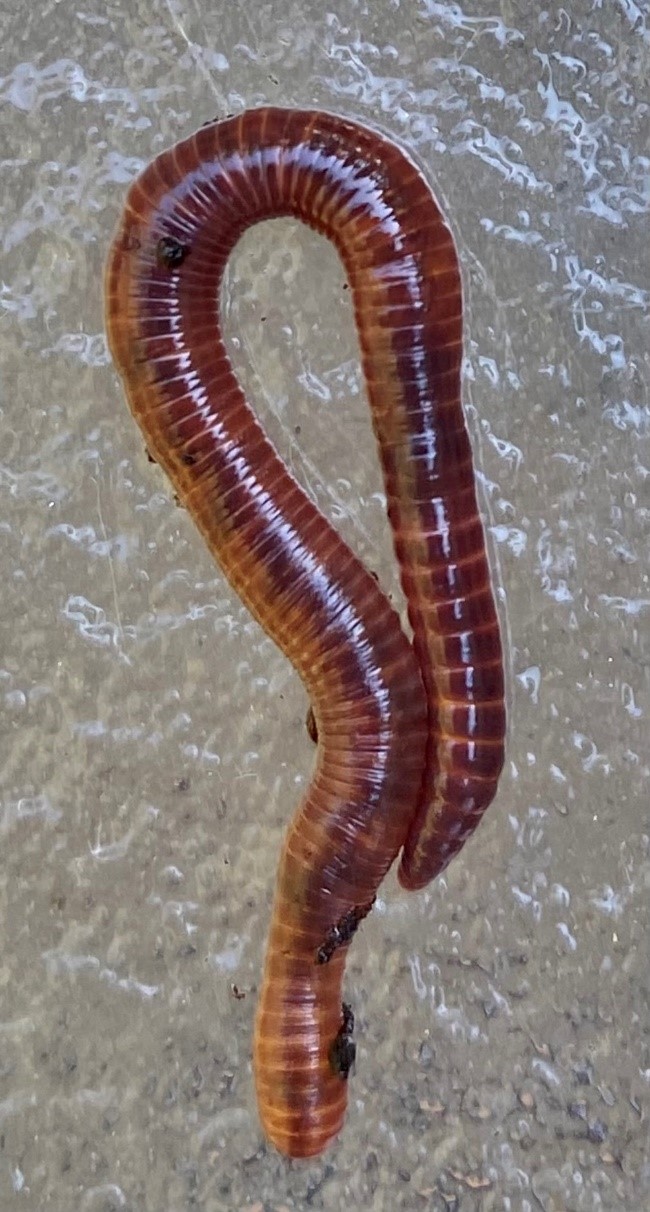
Earthworm: Up close and personal. Photo by R. Montana
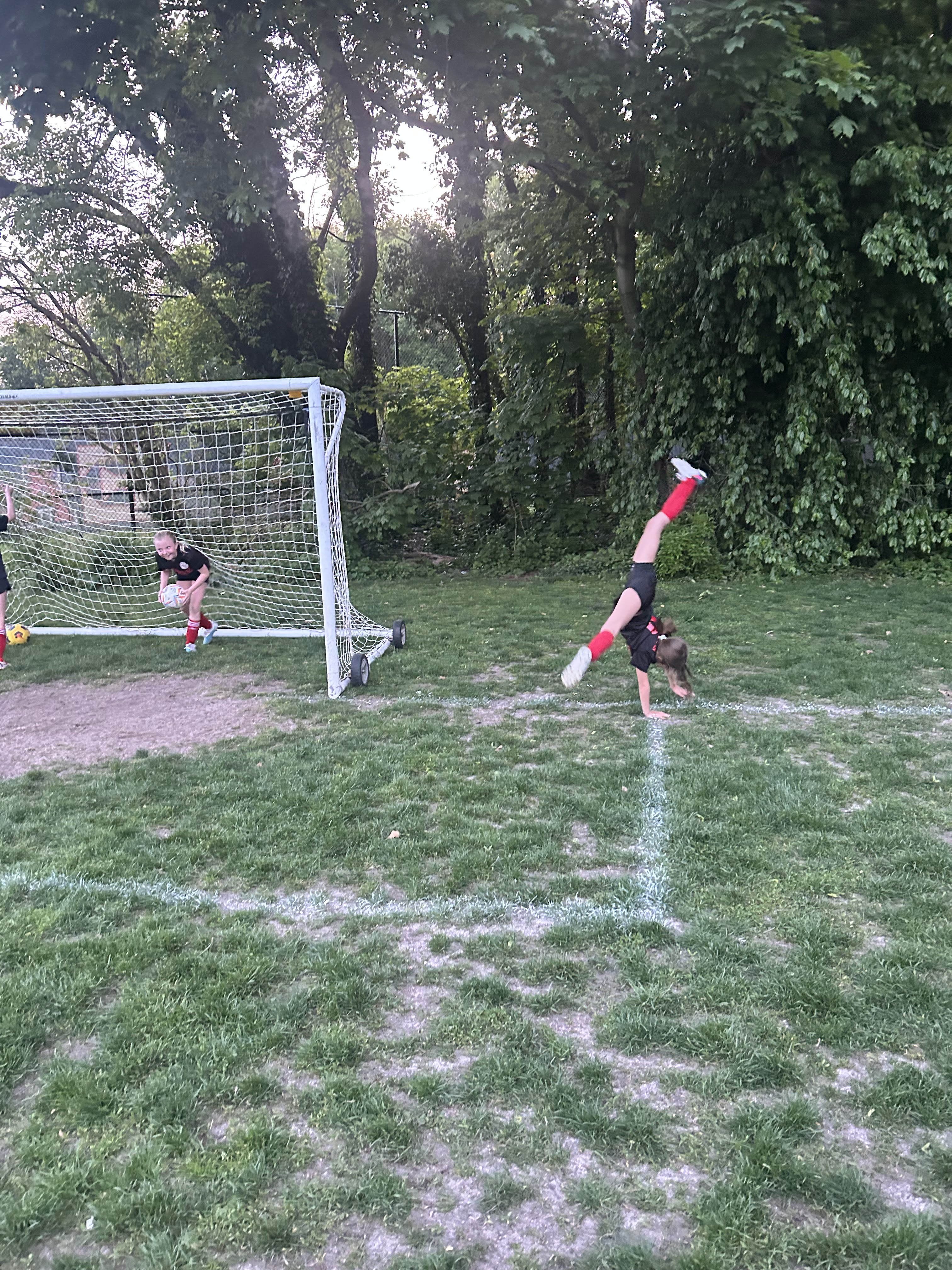
When the ball won't come And you're bored as a goalie, Try some cartwheels. Good Grief! Holy Moly!
People will laugh. People will scream. Look at her now. She's eating ice cream.
Could it be true? Does her coach even care? She took out a brush. She's combing her hair.
It doesn't much matter. She's having some fun. She put on sun glasses. She might have to run.
She's checking her watch. She's blowing her nose. She really should focus And be on her toes.
Wait just a second! The ball came her way. You won't believe it! She blocked a play.
Her team is ecstatic! They're on cloud nine. They won the game. This goalie can shine!
So if a goalie does cartwheels, And wants to play, Just give her a chance. She might save the day!
By Regina Montana – Nature Friend Magazine, February 2023
by Regina Montana | Feb 1, 2023 | 0 comments
View the February 2023 Nature Friend Magazine

Far away in the middle of the Atlantic Ocean is a sea called the Sargasso Sea. It is a gigantic clockwork of currents called a gyre, where millions of American and European eels are born every year. Over one hundred species of fish, snails, crabs, turtles, and eels make their homes and are born in the mats of seaweed called sargassum. These mats of seaweed can stretch for miles. The baby eels, called larvae, ride the ocean currents till they reach North America and Europe, sometimes taking up to a year to arrive on the American shores. American and European eels are genetically different.
Now one of nature’s most incredible transformations begins. The skin and internal organs of the eels change in order to adapt to living in fresh water after living in salt water.
Following the larva stage, the eels become glass eels. They are now 2-3 inches (5-7.5 cm) long with elongated bodies, prominent black eyes, and developed fins. They are between seven and twelve months old when they reach coastal water.
Glass eels then turn into elvers. They grow several more inches and develop pigmentation, becoming dark gray, and form a thick and slippery mucous layer. If you try to pick one up, you will learn they are as slippery as an eel!
The elver stage is followed by the juvenile or yellow eel stage, and finally by the silver or mature adult eel, which can reach lengths of 2-5 feet (.6-1.5 m) Their coloration can vary.
The American eel usually hunts at night. During the day, it hides in gravel, sand, masses of plants, or other forms of shelter. In the winter, eels burrow under mud and enter a state of torpor, or inactivity. However, they may become active at times.
These eels can travel up to 4,000 miles (6,400 km) in a lifetime. American eels can live up to thirty years, and, at the end of their life, they swim back to the Sargasso Sea. Some scientists believe the Earth’s magnetic field helps eels find their way back home. Once again their bodies undergo dramatic changes. They stop eating; their skin thickens; their eye size doubles, improving their vision in deep, dark water; and their pectoral fins enlarge for the long swim back. After months of travel, they produce new offspring. These larvae will begin their life’s journey. The adult eels’ work is done.
Now that is one fantastic voyage.
← Focus Illustrated, January 2023 In Our Skies, March 2023: Hybrid Solar Eclipse →
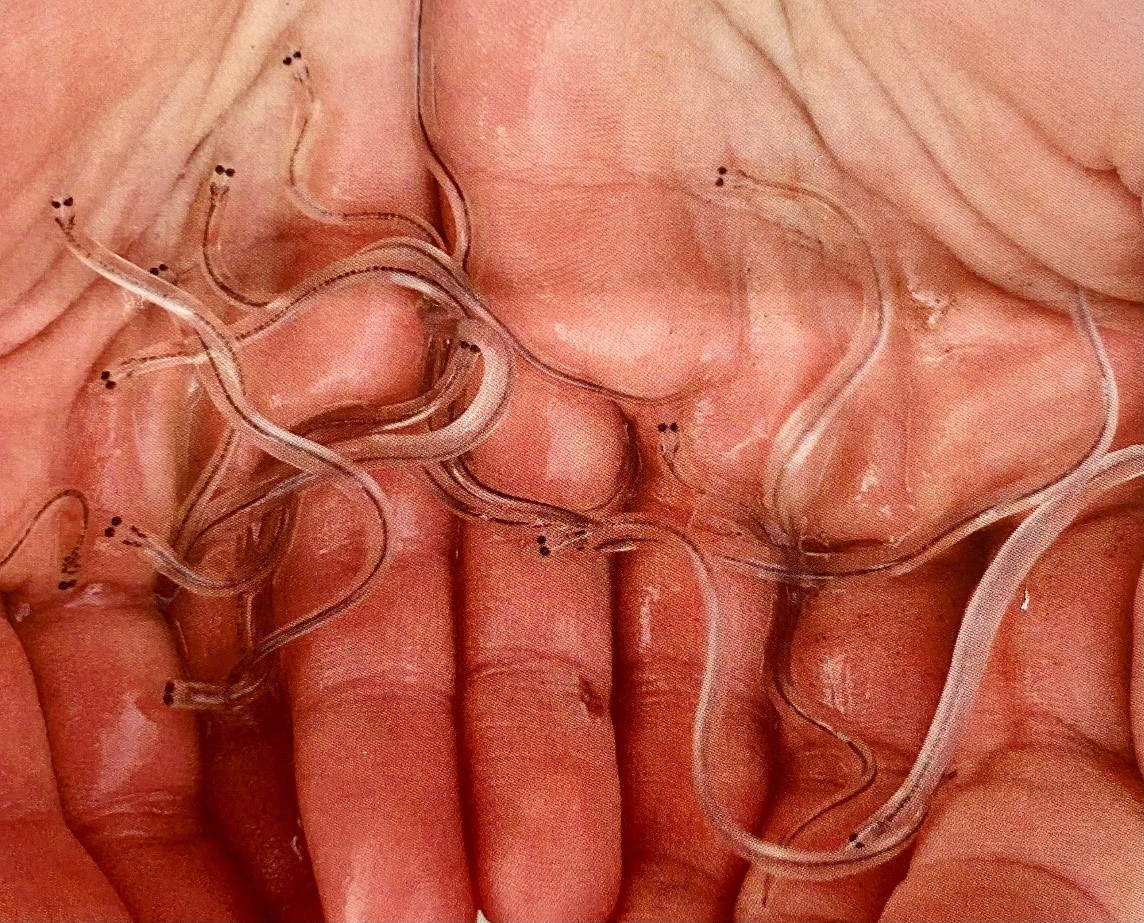
BABY GLASS EELS – HUDSON RIVER EEL PROJECT – 2019
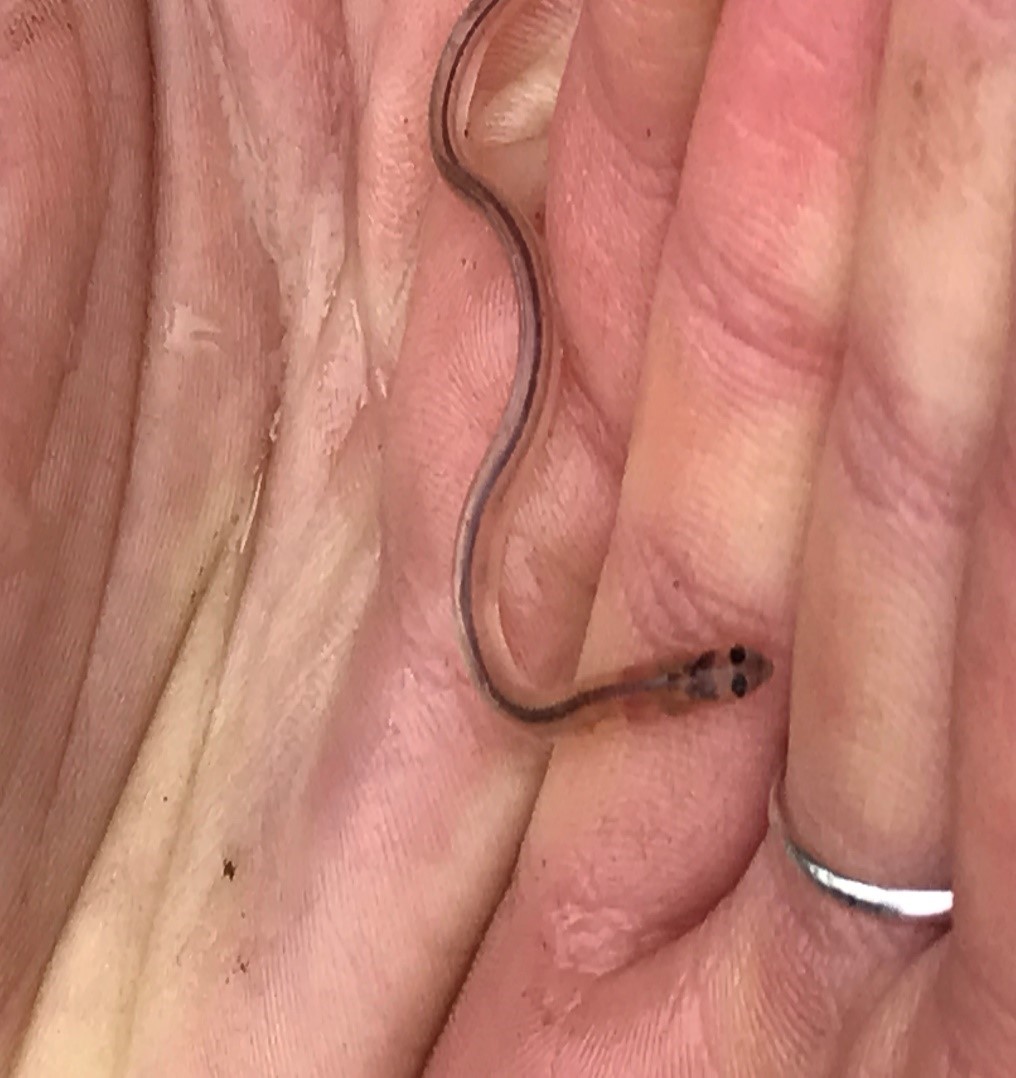
ON THE WAY TO BECOMING AN ELVER – HUDSON RIVER EEL PROJECT 2019
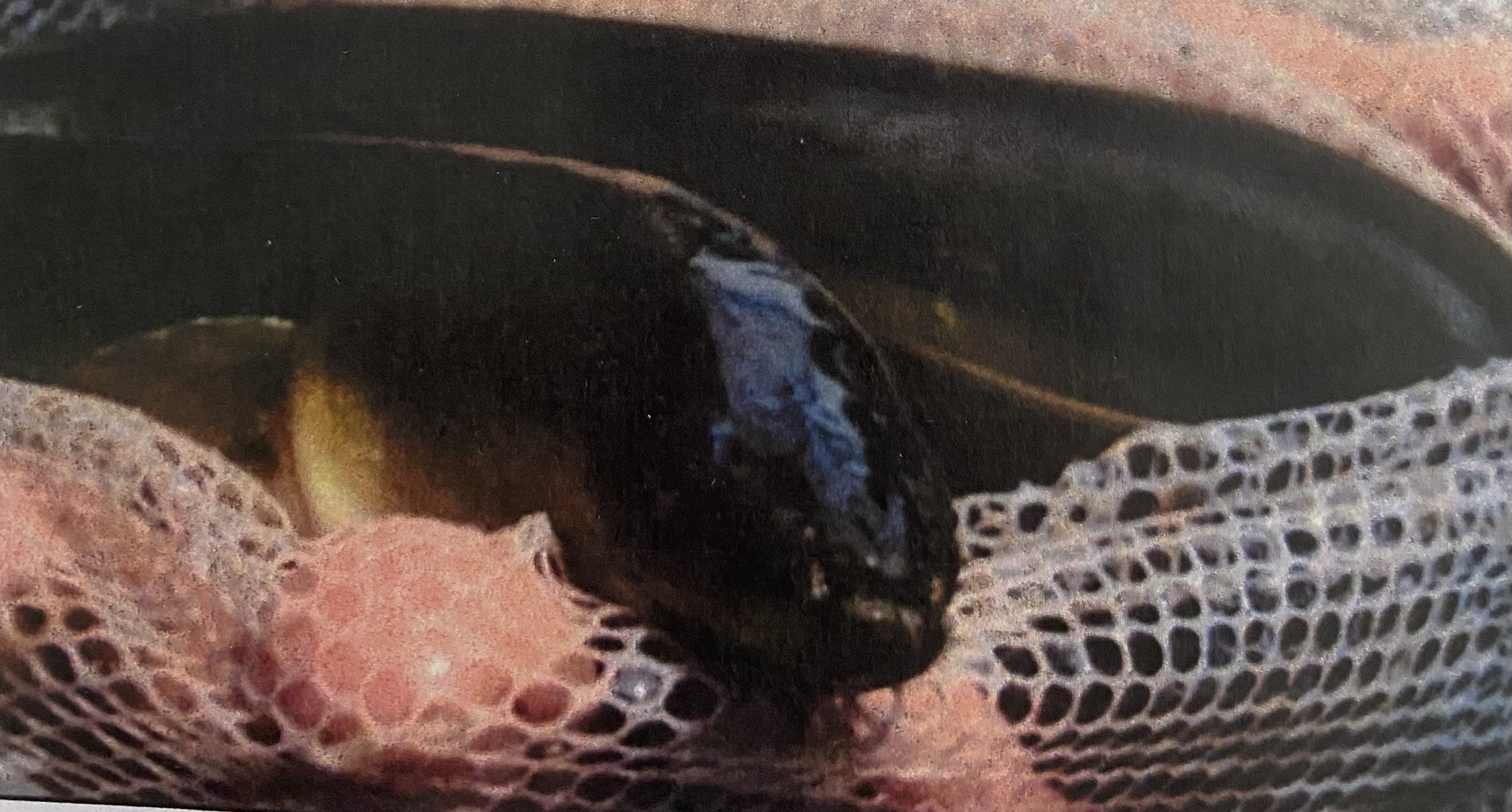
ADULT AMERICAN EEL – Photo by John M. Casselman, Dept of Biology, Queen’s University, Ontario, Canda
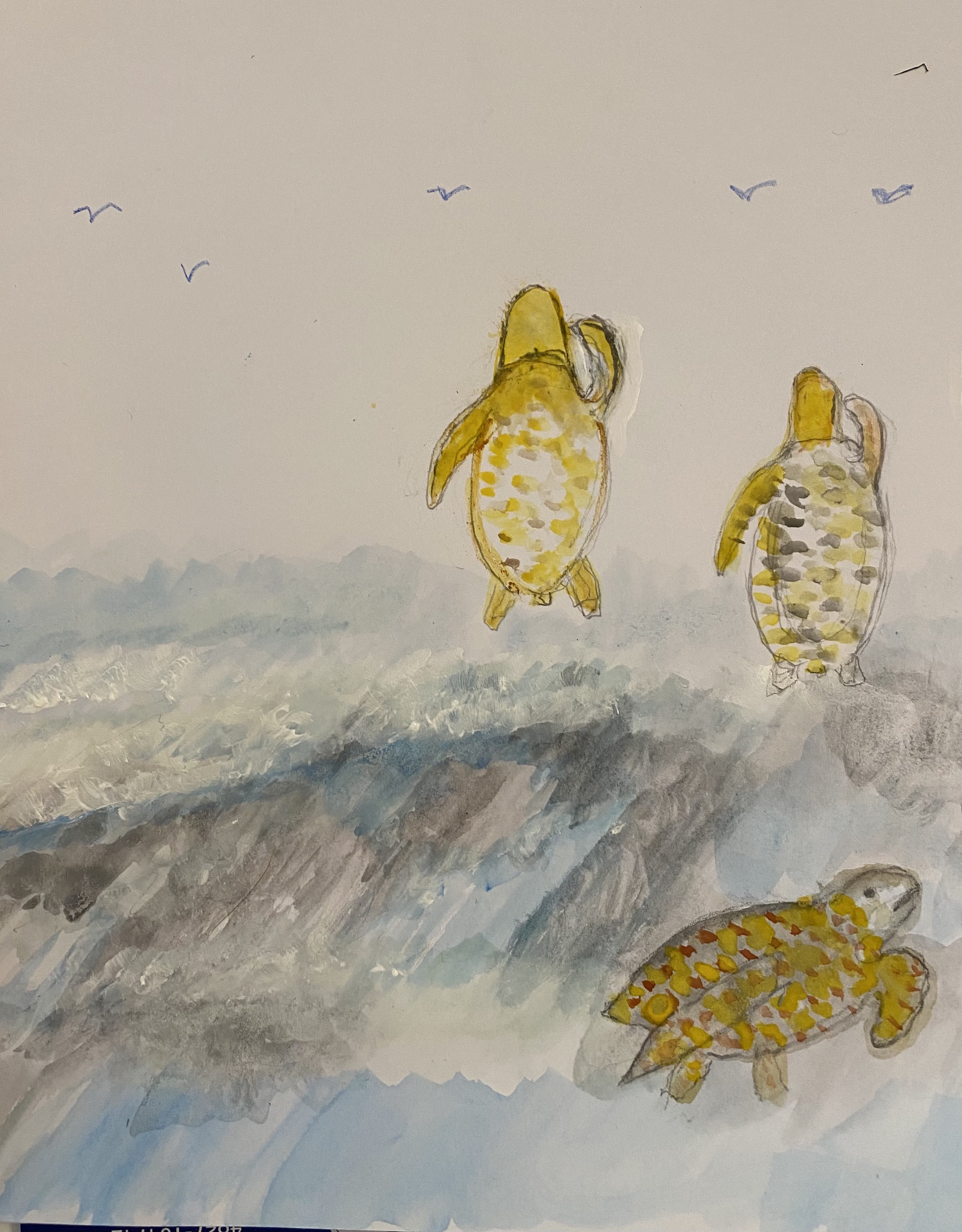
A Giant Turtle Rescue
By Regina Montana
One day in south Texas
the water turned frigid.
Our flippers felt frozen.
Sea Turtle Inc. put out the call:
Help needed. Come quickly!
Fishermen and boaters
Kids and parents scooped us up.
And drove us to buildings.
They put us in kiddie pools
Onto pallets and into crates.
Vets then examined us.
Thanks Doc, we feel great!
A vessel then took us 30 miles out
where the water was warmer.
We slid down a giant slide
Back home into the sea.
People of South Padre Island
Our flippers salute you.
We’ll never forget.
You’re heroes to us all.
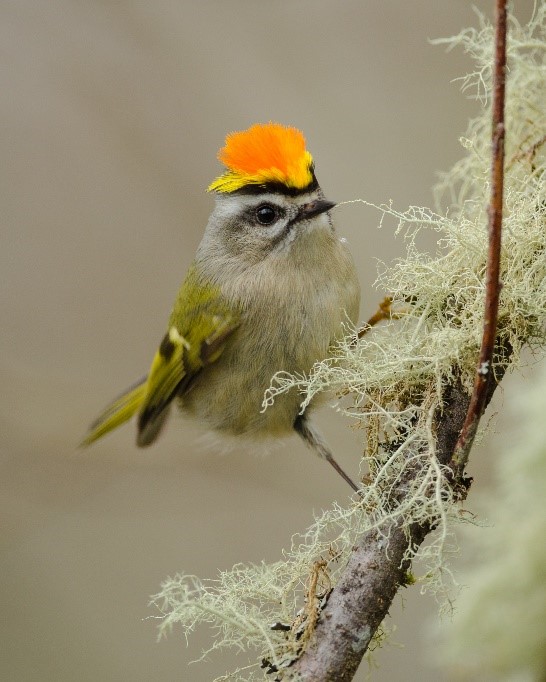
Photo by Jacob McGinnis

THE KINGLET BIRD

I'm called a Kinglet.
Have you ever seen me?
I make funny sounds,
Tse, tse, tse, tse.

I'm the tiniest bird
that perches in trees.
When winters are frigid,
I try not to freeze.

My gold crest looks flashy
and feels quite regal,
although I'm not famous
like the bald eagle.

I love tasty insects
and forage non-stop.
Wait! A caterpillar!
Yum, yum, hop hop.

At night I tuck my head
in feathers so deep
and huddle with my friends
so I can find sleep.

Sometimes a squirrel
leaves his nest in a tree.
It's empty.  I'm so cold.
Please don't tell on me.

Although I'm tiny,
I feel like a star.
Just follow your dreams
and you'll go far.


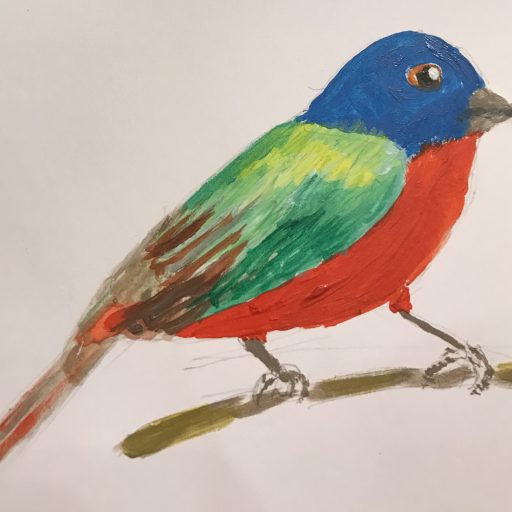
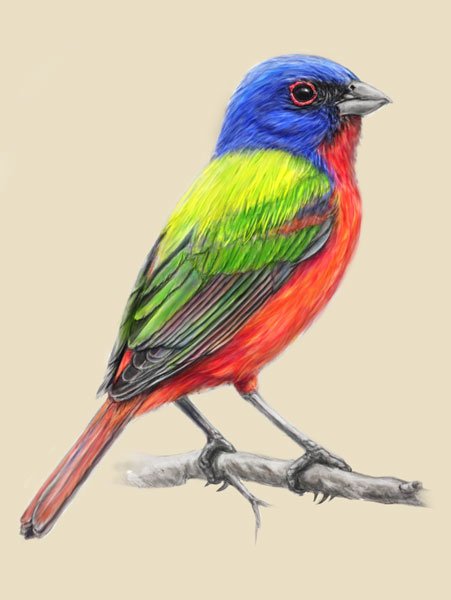
THE PAINTED BUNTING - A KALEIDOSCOPE
When God picked up his pallet.
He knew just what to do.
He chose the brightest colors
To make a bird like you.

The blue is so majestic,
A redbreast to amaze,
Your wings chartreuse and purple
Deserve the highest praise.

Kaleidoscope of brilliance,
A wonder to behold,
Wrapped up in one small bunting
Creating joy untold.

O herald of such music,
You trill your song so sweet
You grace earth with your presence
I pray that soon we'll meet.

And if my prayer is granted,
I'm sure that I will say
I saw a bit of heaven
On loan from God this day.
Techno Critters appeared in Kids Imagination Train, an online magazine published by Randi Mrvos.
Techno Critters

If a Frog wants to blog
sitting on a log,
he can spend the whole day,
blah-blah-blah ging away

If a T-Rex sends a text,
who knows what's next.
But if a selfie comes 'round,
you'd better leave town!

If a Spider is bright
and has a website,
he can catch some prey
and have a fine day.

If a robin needs food
for her hungry brood,
she can find a sitter
if she goes on Twitter.

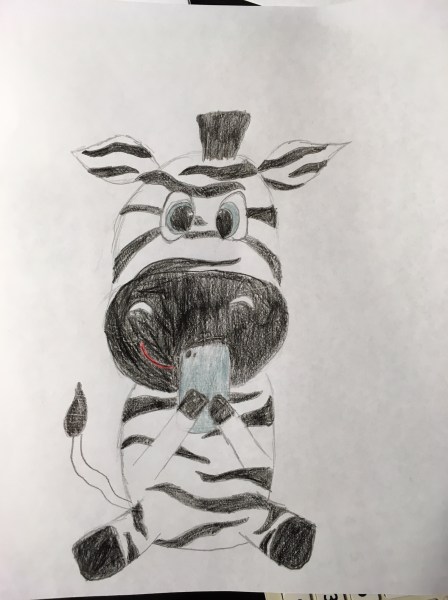
If a Zebra skypes,
and shows off her stripes,
she'll look quite cute
in her black and white suit.

If Critters are cool
and stay in school,
they'll pass their quizzes
and be techno-whizzes!
Hurrah! Finally dear readers, a poem I wrote entitled “A Squirrel’s Lucky Day” was submitted to Kids Imagination Train and accepted for publication in their online children’s magazine. I am most grateful to Randi Mrvos, Editor of the former magazine Kids Imagination Train who worked with me and never gave up hope that this poem would meet the requirements of their excellent children’s magazine.
A Squirrel’s Lucky Day
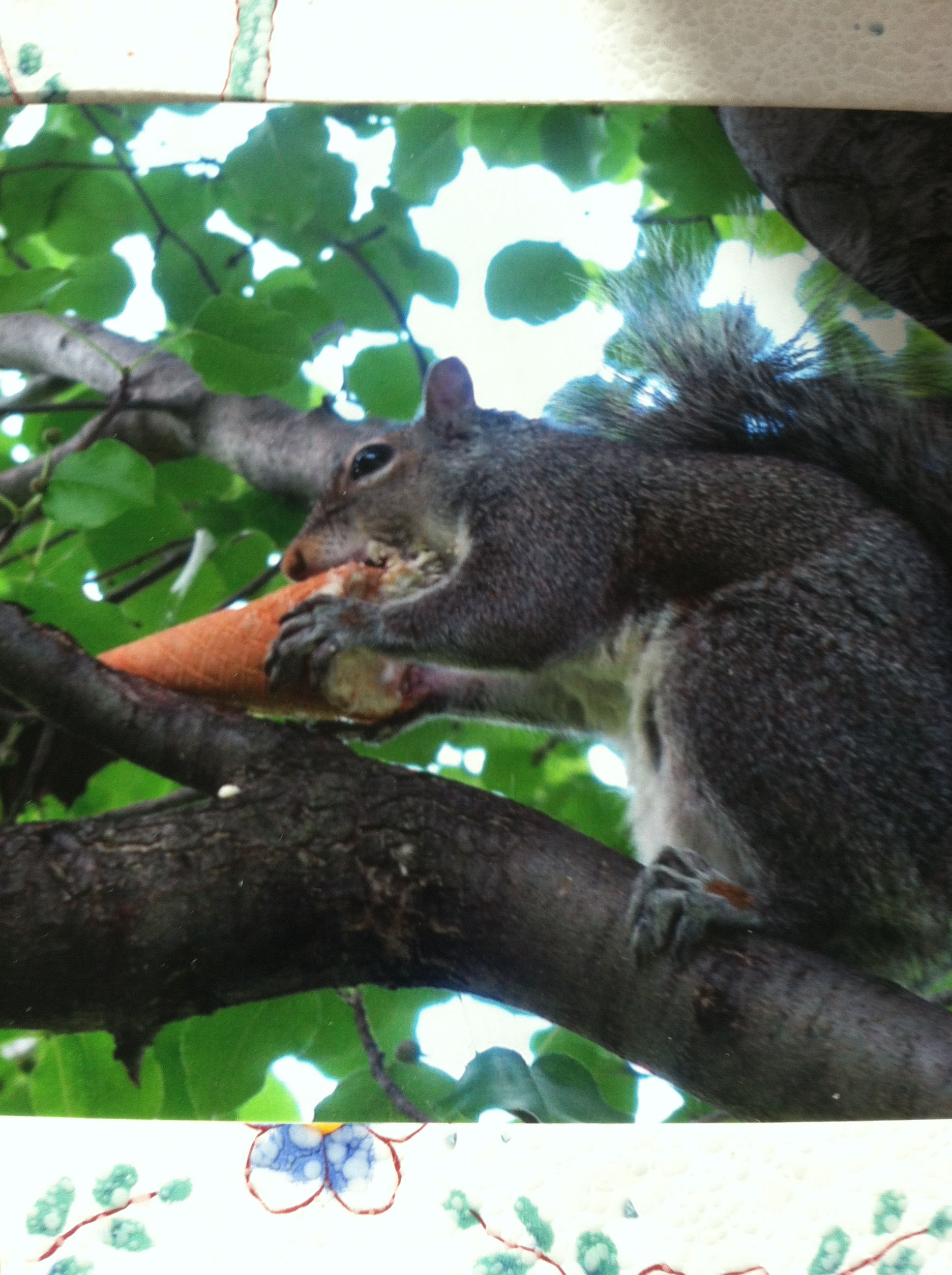
I live in trees
and on the ground.
I hunt for food
and race around.

We squirrels
enjoy the great outdoors.
We have big nests
and nutty chores.

The park is full
this time of year,
with lots of picnics,
spring is here.

I hope to find
some tasty scraps
like cheesy chicken
sandwich wraps.

A baseball game
has just begun
The kids rush off
to join the fun.

But wait, what's that
beside the tree-
an ice cream cone
left just for me?

Hurry, scurry
down the branches.
Creatures don't get
too many chances.

Grab it, take it
up the tree
Hooray, I made it
Yay, yippee!

This treat is heaven
so cold and sweet,
Even acorns
cannot compete.

Why  do people stare at me?
stare at me?
Can't a squirrel
have privacy?

So Mother Nature,
won't you please
make ice cream cones
that grow on trees?
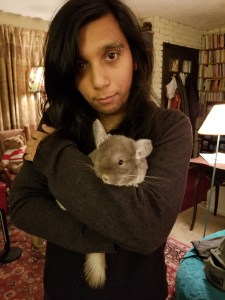
They call me Rylai and I’m a chinchilla. My name rhymes with Hi-Lie! I live with the Faranda family in Croton-on-Hudson, New York. Josie Faranda makes sure I have enough to eat. My diet consists of fruit,nuts and seeds. We are herbivores and eat mostly plants In the wild I eat grass, roots, leaves and bark.
Guess how old I am?
Forty-one million years ago my ancestors were some of the first rodents to appear in South America. You could say we chinchillas are 41 million years old!
Brrr. It’s chilly here in Chile!
In the wild I live in the Andes Mountains of Chile, South America where the temperature can dip as low as -5 degrees Centigrade (that is 23 degrees Fahrenheit, or below freezing). That’s why I need very thick fur to keep me warm. I have on the average 65 hairs per follicle; that’s a sac or gland holding each hair in place. Humans only have between 2-3 hairs.
Yipes! Is that a Snake?
We like to stick together in herds of between 14 and 100 to warn each other about snakes, birds of prey and other predators. Yes, we have big ears, but we rely on them to keep us safe. Our strong sense of smell also protects us from skunks.
I’m in Trouble
People love our soft fur and that’s why there are not many of us left in the wild. Only chinchillas should wear chinchilla coats! No one else. We don’t want to become extinct. Do you know any other animals that are endangered?
No Water Baths Please!
If you want me for a pet, I need special care. Chinchillas don’t take water baths. We like to take special dust baths in pumice, a kind of gray volcanic stone used to clean. You have to dry me off right away if I get wet. Otherwise, my fur can develop a fungus or an infection.
I’m a Natural Acrobat!
Chinchillas have tails that help us balance and we can climb tall mountains and rocks in the wild. I can jump from high places, up to 6 feet! How high can you jump?
The Better to See You!
My eyes look big, but they are not well-developed. Luckily, my whiskers help me move around and feel things. They are almost half as long as my whole body.
If I Get scared
I hope you won’t scare me if you see me. We lose clumps of fur if we are stressed. You can calm us down and soothe us though and we’ll be all right. You can pet me, but I don’t like to be picked up by strangers. I like to be by myself in a cage and hide in my nesting box that’s filled with hay. I like to gnaw on the hay and eat it for roughage like you eat salad.
We love the Night Life!
We sleep a lot during the day and are active at dawn and dusk. We like safe wooden toys to play with and chew on. We need exercise like you do, so we enjoy running around in our cages.
How was your Day?
Josie sometimes asks me, “How was your day Rylai?” I can’t talk, but I love to nuzzle and bury my soft fur in people’s arms when they pick me up. We also like to nibble. That’s how we show our affection. If I nibble too hard, Josie says gently, “No, Rylai!” Then I get a raisin if I behave. I’m lucky to have the Faranda family take care of me. I’m a very happy chinchilla.
Bibliography
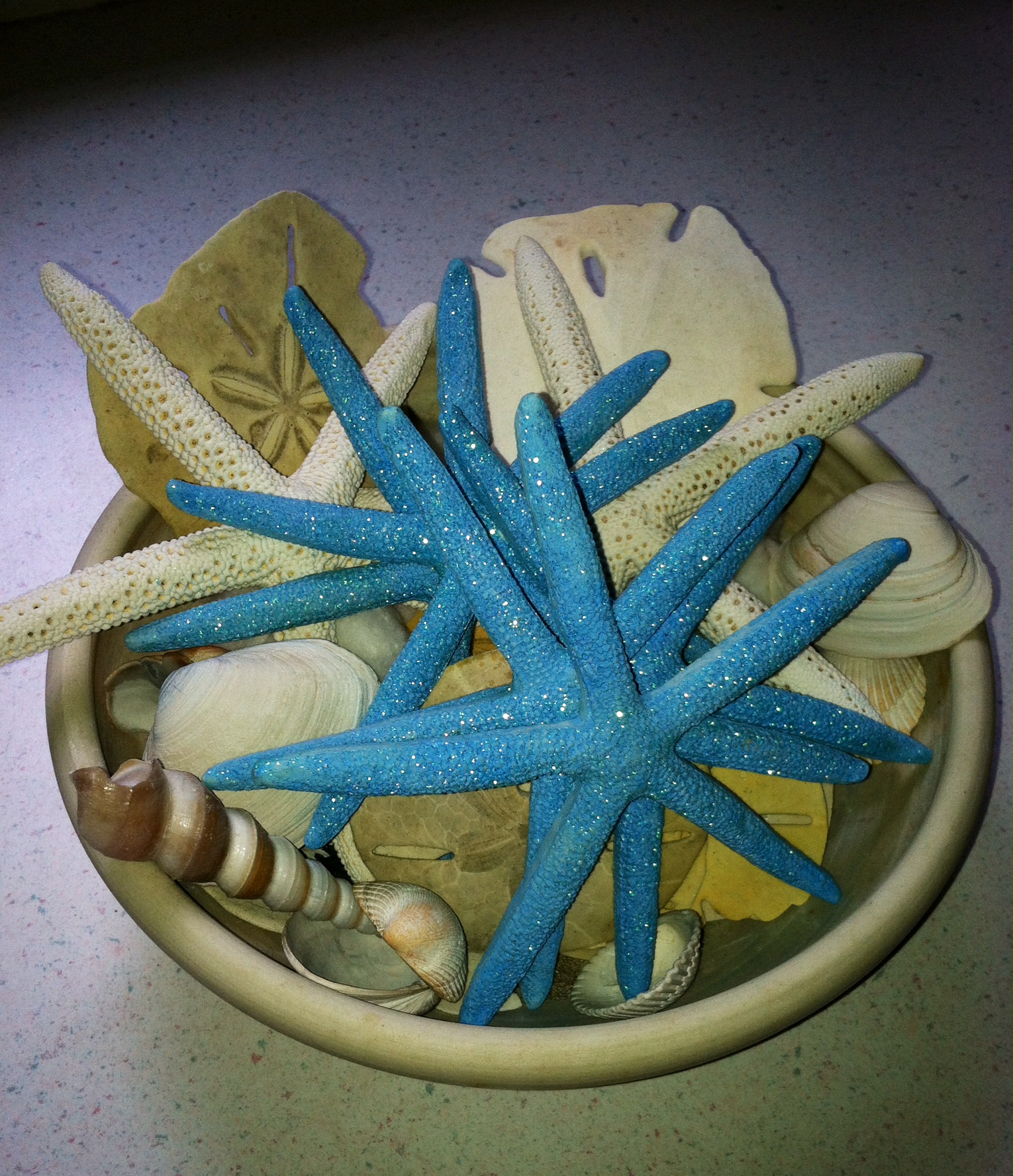
In 2012 author Corinne Ruff and Illustrator Lisa Benjamin put together a collection of contributions from those who have loved and lived on Long Beach Island, New Jersey. In “Life Lessons” some lucky entries from “island children” of all ages were chosen and showcased for the book. My paragraph was chosen in the chapter subtitled “Starfish.” I am most grateful to my friends JoAnn and Don Fannon who have shared their beach house in Ship Bottom on LBI with me. It continues to feed my soul every time I am there.
When I walk along the shore of the Island, I never tire of seeing myriad numbers of sea creatures – from the channeled whelk to the sand dollar to the thousands of colored shells deposited on the shoreline. I stop and look in awe and think of the long journey they took before these sea creatures arrived at the water’s edge. The lesson I learn is to admire the beauty, the symmetry and the utter uniqueness of each of these small miracles of nature. On my walk I hope to be inspired to go deep within myself to create something of beauty so that I, too, may leave something behind in my creative journey – just like the ocean does every minute of every day, 365 days a year. And I hope my art will inspire others just as the Island continues to inspire me and attract people of all ages to come, look, listen and take in every aspect of its beauty.